Dominik. M.
Project portfolio - Past project work in relation to the achievement of a Higher national diploma as well as any work carried out afterwards that would contribute to new innovations around the world.
LEVEL 5 HND"How Different Aerodynamic Designs
Effect Overall Riding Qualities of
Commercial Motorcycles"
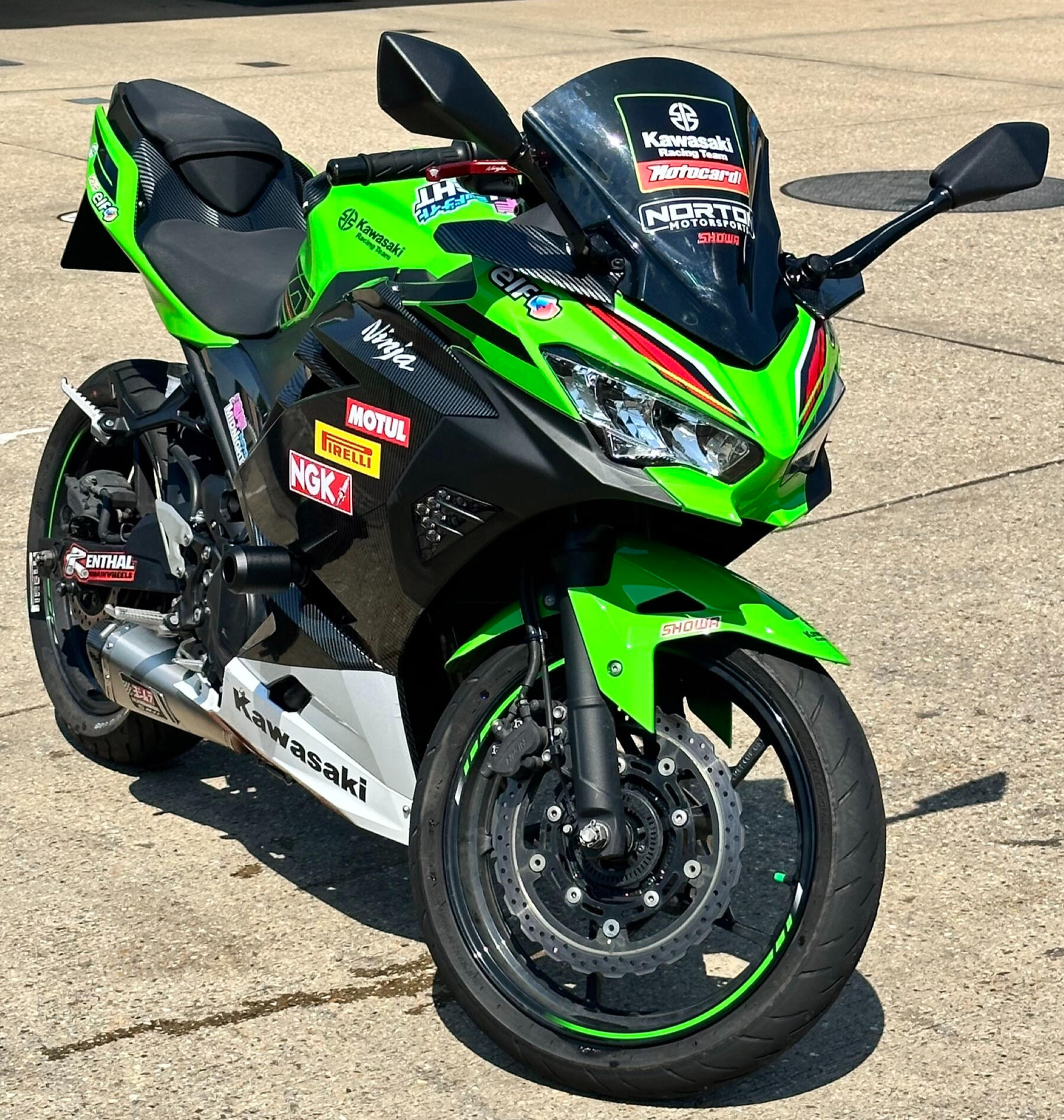
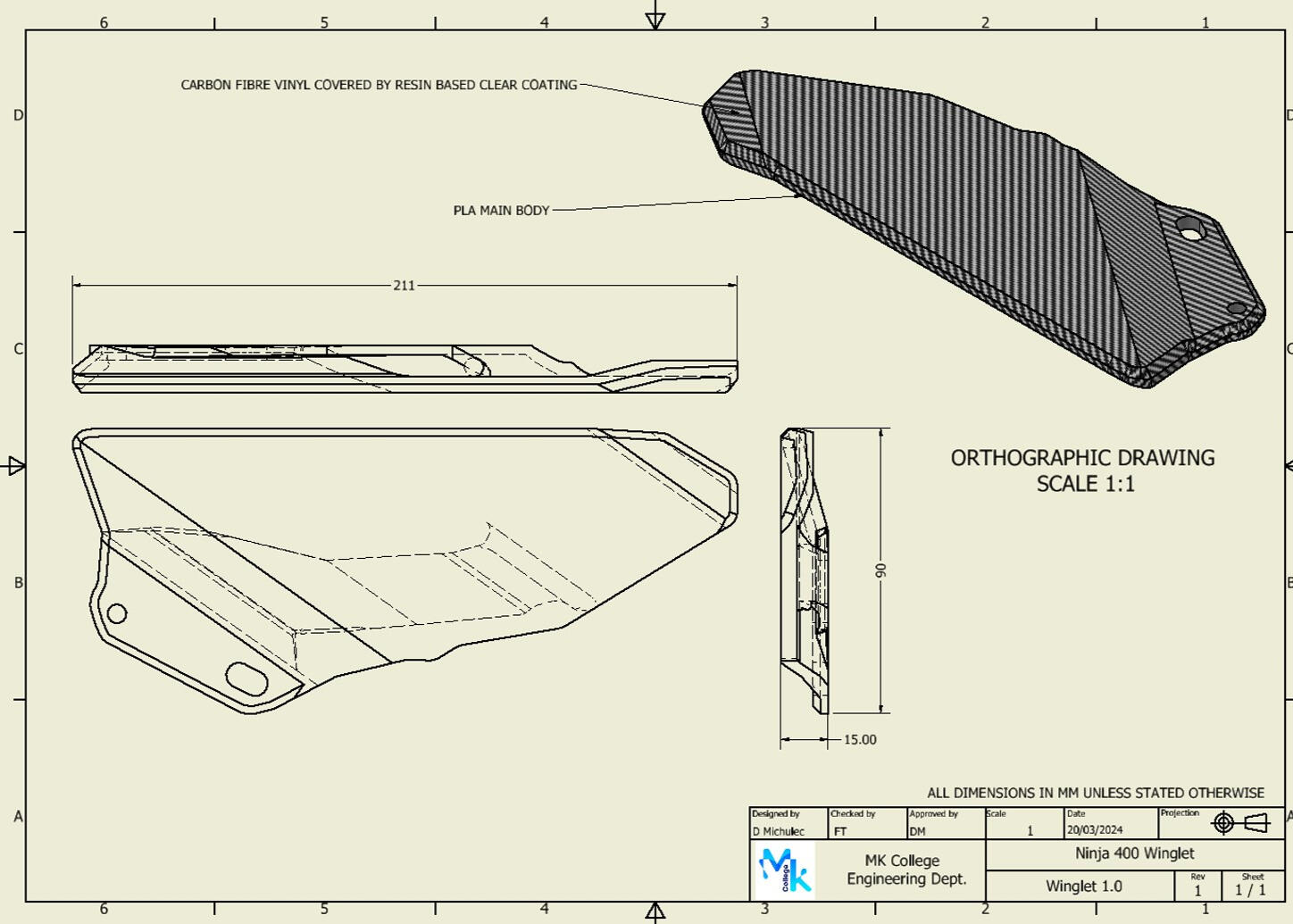
This research project investigated how different aerodynamic designs effect overall riding qualities of commercially available motorcycles through the use of both academically available research and personally conducted tests. Personally conducted testing will be carried out on a Kawasaki Racing Team Ninja 400 Motorycle, considered a mini sportbike class motorcycle propelled by the parallel twin 399cc engine able to reach 0 to 60mph in under 4.5 seconds. This project aimed to analyse how additional aerodynamic packages will effect the overall riding qualities such as handling, fuel efficiency and practicality. As more new motorcycles being released come with aerodynamic additions such as winglets from the factory, this project has determined how effective these additions are as high power racing motorcycles use the same type winglets designs for their aerodynamic properties. Winglets share similar characteristics to spoilers used on cars as they are used to create downforce and guide the flow of air across the motorcycle, with them usually being mounted close to the motorcycle mirrors or on the side fairings.With the use of CFD modelling and Physical winglet testing by creating a optimal prototype, a problem area with winglet design was identified in regards to how downforce is applied when titling the motorcycle during cornering. These forces during cornering were investigated with the use of 2 iPhones allowing for digital data to be generated. Alterative winglet angles where explored based on how they interact with the motorcycles handling during cornering. Winglet air flow geometrics were first tested in two-dimensional CFD simulations. A winglet design was created based on a design from the Kawasaki H2R. This design was then 3D printed and hardened for in person testing on the Kawasaki Racing Team Ninja 400, where data digital
data could be collected for a conclusive result. The project concludes that additional downforce from winglets has a positive effect on riding qualities of commercially available motorcycles when limited to street use, As well as providing improved characteristics for racetrack use. With factors such riding positioning and motorcycle body work shaping having the largest impacts on riding qualities.
LEVEL 4 HNC"KESSIL SALTWATER REEF LIGHT"
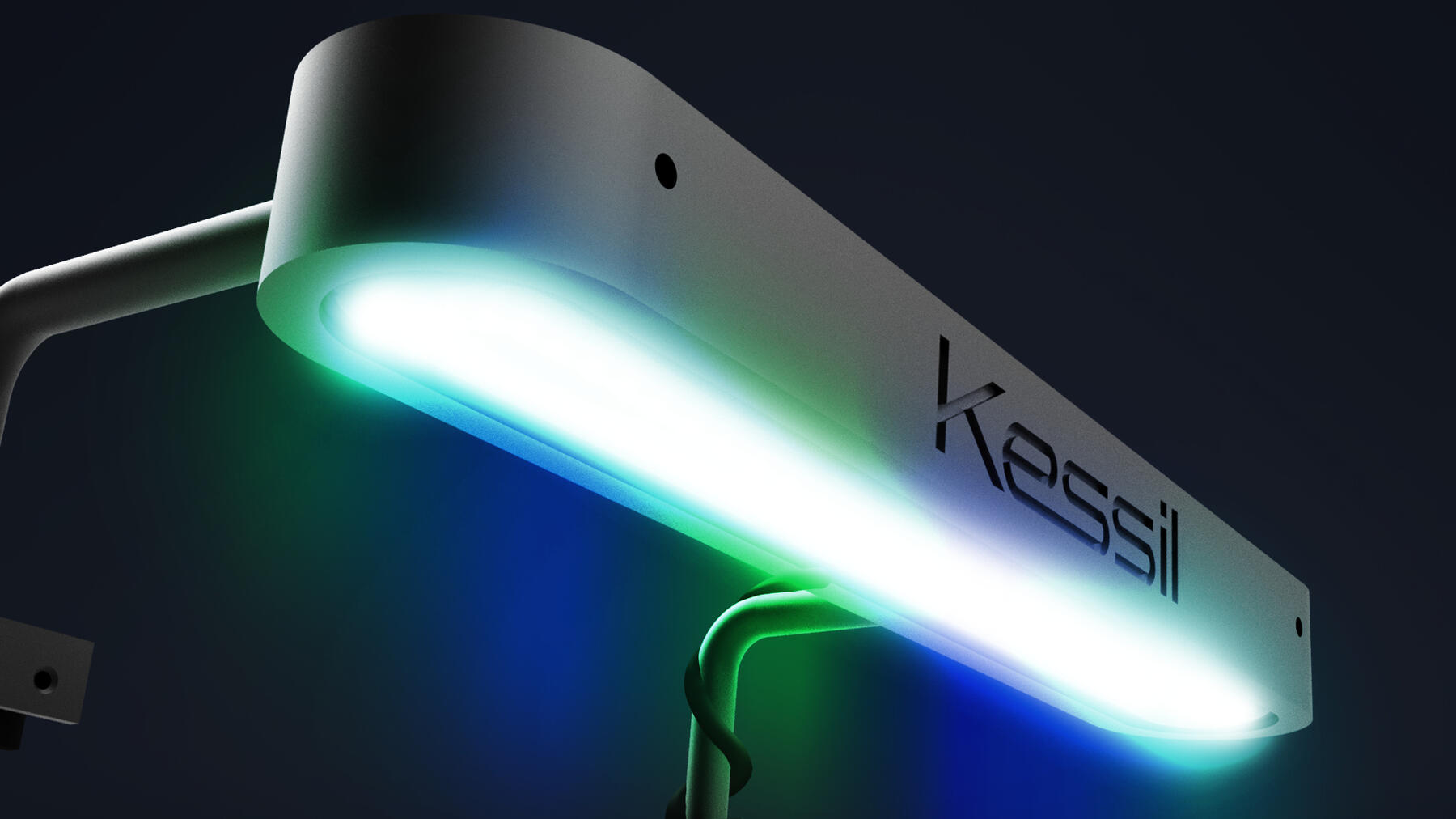
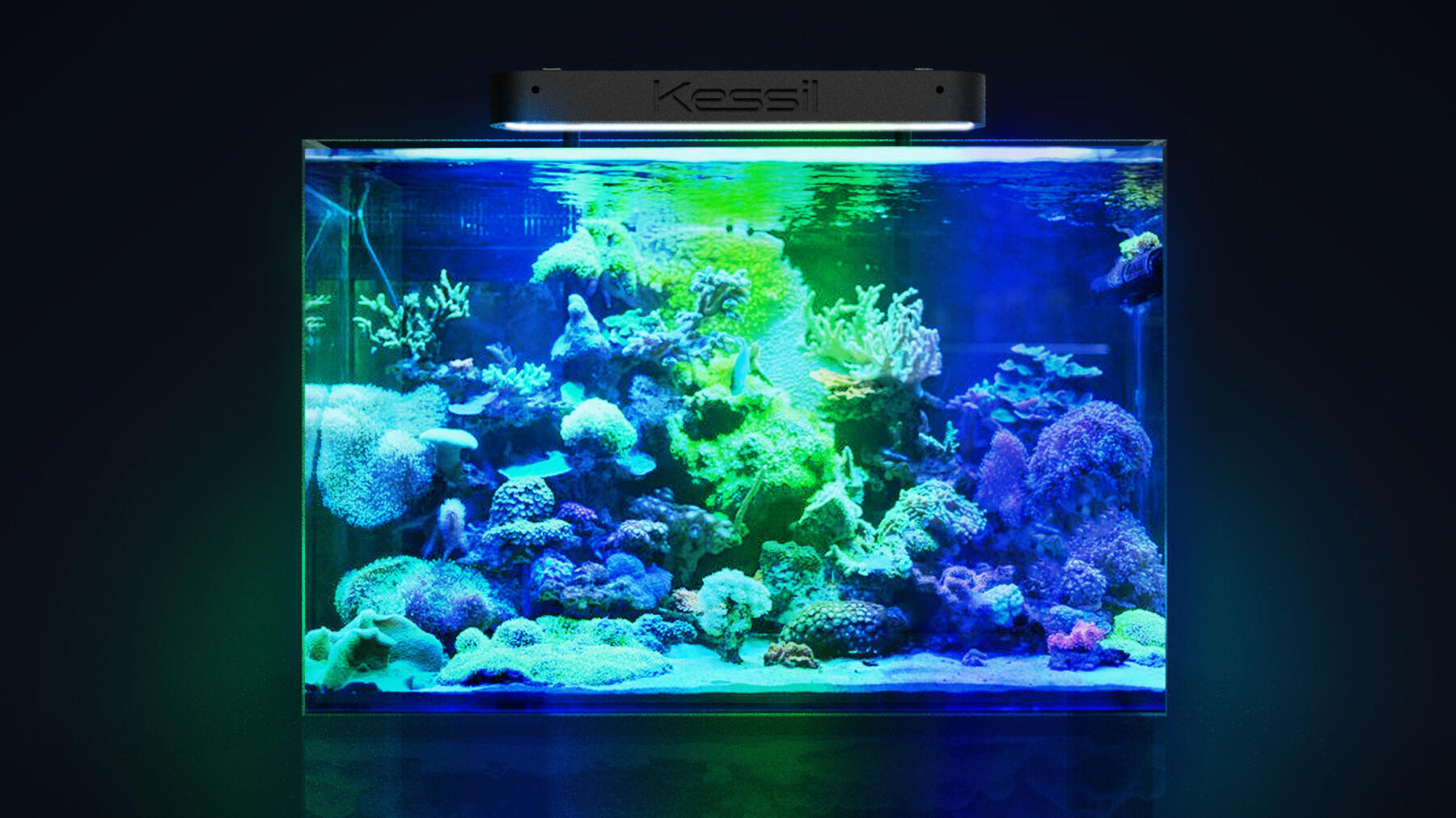
This product will aid in lighting coral reef saltwater aquariums and enhancing their visual presentation. Due to the fact this product will be used in coral reef aquariums a wide spectrum of light will be required, with hints of orange, green and blue light which is the most beneficial in the growth of coral reef and its well being. As well due to the fact this product is to be used in saltwater reef aquariums a equal light production will be required as saltwater refracts water in a different way than normal tropical aquariums. To create a natural day night cycle it would be recommended that this light would be able to have a constant run time of at least 8 to 11 hours with gradual fading.The need for Wifi control is to be achieved via a external control box connected to the main power and communication cable, as well as the need for a minimum of a 35,000 hour light life span which can be achieved by using low heat producing LED arrays. Waterproof capabilities are also a must which will be achieved via a water tight design.
LEVEL 4 SIDE PROJECT
An aditonall smaller project carried out during the start of the academic year revolving around the theme of "safety"
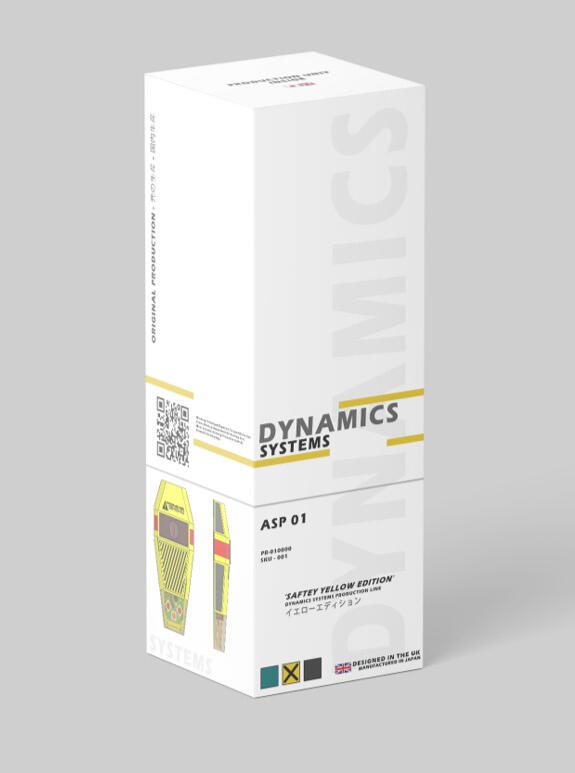
LEVEL 4 HNC"Adaptive Alarm Device"
This project is focused around the improvements of protective equipment in hazardous environments relating to the health and safety aspect. Designing a small portable device which is based on a mesh network allowing for emergency call outs in hazardous situations. The system would work as a safety call out device mounted on the back of “hard hats” also known as safety helmets, the device would detect a substantial hit or sudden change in telemetric data which would indicate a fall or emergency, furthermore a emergency button can also be pressed by the user sending out a alarm signal and distress call followed by a flashing light.
Level 3 Engineering
Some of the work from the early days of my engineering diploma development.
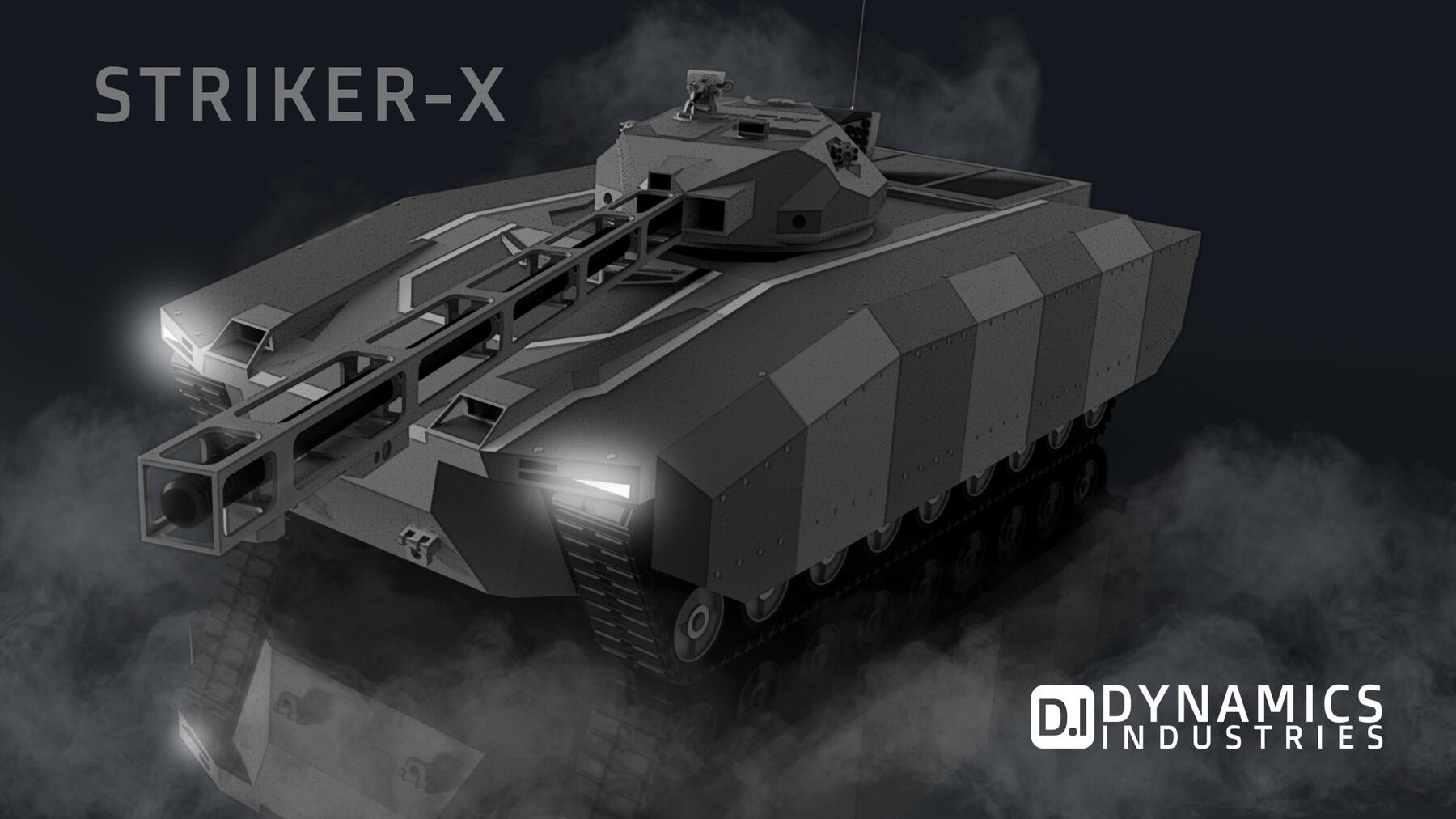
LEVEL 3 ENGINEERING"MOD 10 BATTLE TANK SYSTEM"
The MOD 10 was designed to be a modular platform this means, many different parts can be interchanged to allow for different variations of the MOD 10 to be put together within a short time. With man components such as the primary and secondary weapon systems being interchangeable with different turret modules. The ability to attach many different anchor points to the main haul also allows for the ability to attach external storage boxes for expeditions requiring specialist equipment that can not be stored inside the MOD 10.
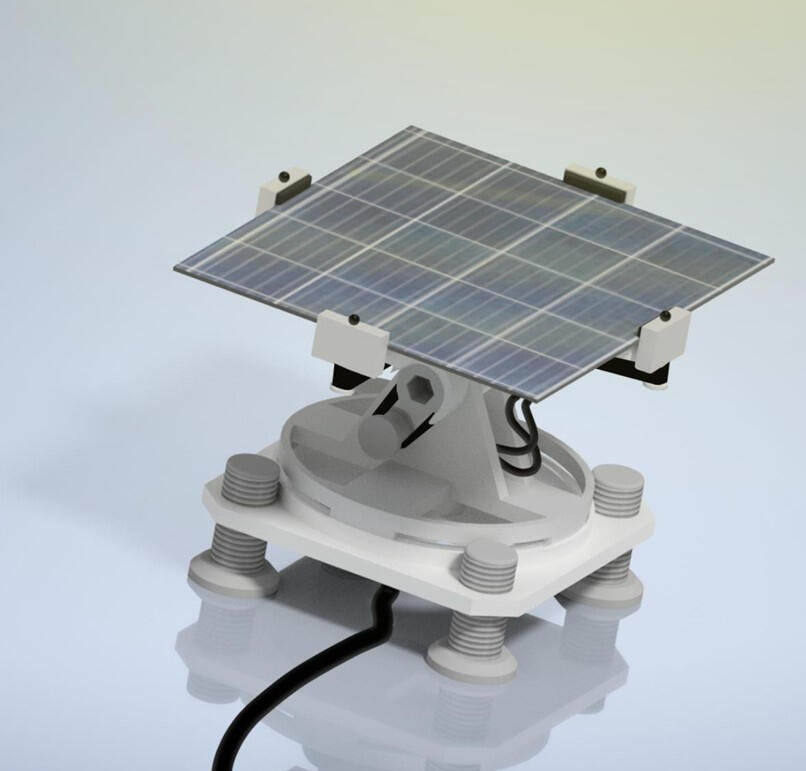
LEVEL 3 ENGINEERING"Adjustable Panel System"
This project is focused on the improvement of renewable energy technologies, in this case it being the improvement of solar energy in the form of an adjusting system. This system would work independently and by itself using a computing unit located inside of the system, this unit would then be able to control the angle at which the panel is facing to provide the most optimal sun light consumption. This system would all be powered by the solar panel itself which would mean no extra energy source is needed, with the use of a battery and memory unit, this system would be able to detect different light source readings and know what time of day or night it is and when to be prepared to activate itself and begin to start operation.
Contact
Get in contact through the intial applicaton form or through direct email at [email protected]